

Overview of EarthLungs Bee Hive Conservation Efforts to Protect Pollinators in Kenya
This project aims to build and deploy beehives within Kenyan planting sites to protect forests, foster biodiversity, and create sustainable livelihoods. By supporting the creation of bee hives, this project promotes forest health, safeguards ecosystems, and provides economic opportunities for local communities.
The project stands out by combining community engagement with sustainable bee hive management, ensuring both ecological restoration and economic benefits. It leverages verified climate action through Greenspark's platform, providing transparent, data-backed impact tracking that distinguishes it from other conservation efforts.
Key Activities Supporting Bee Hive Conservation and Pollinator Protection in Kenya
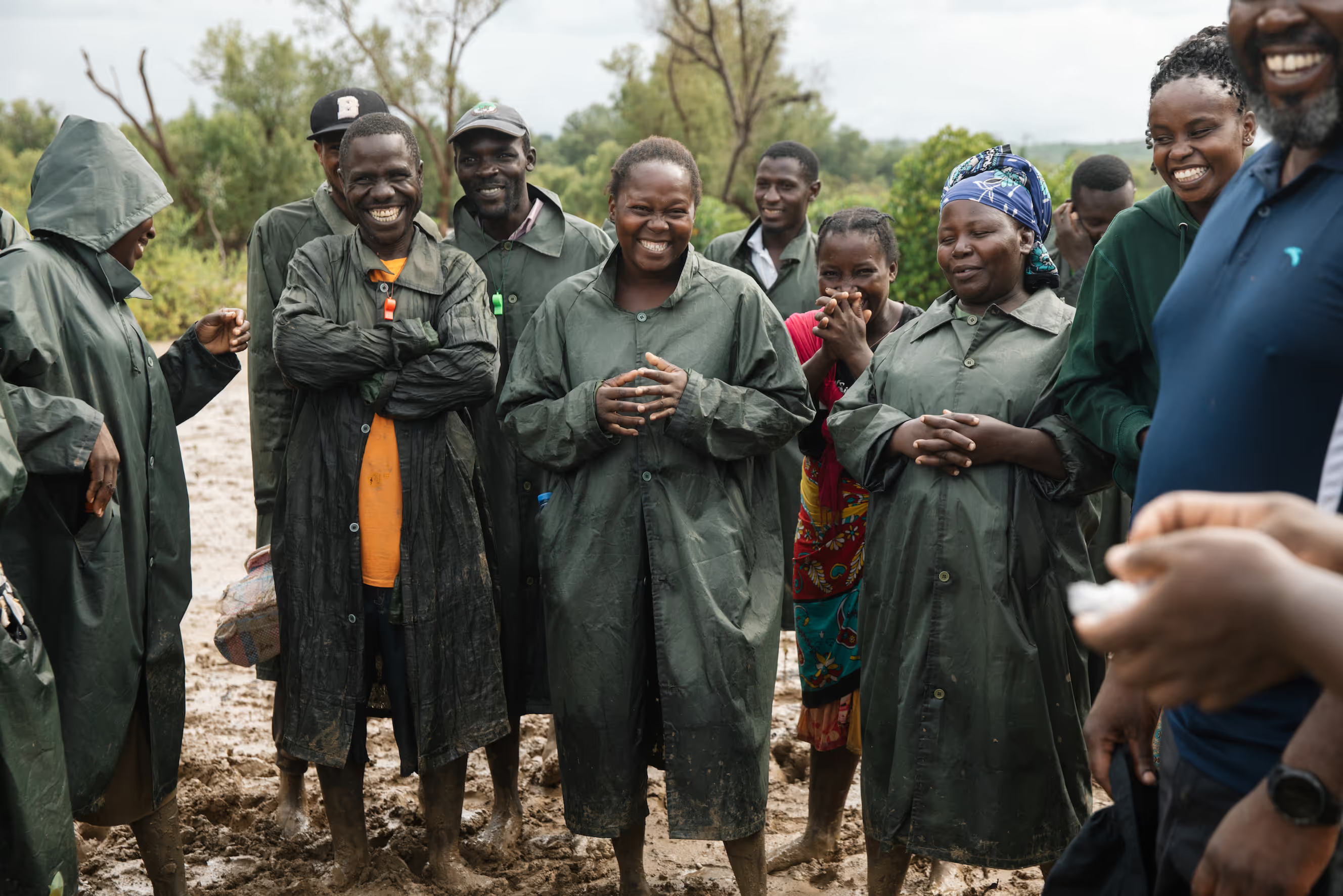
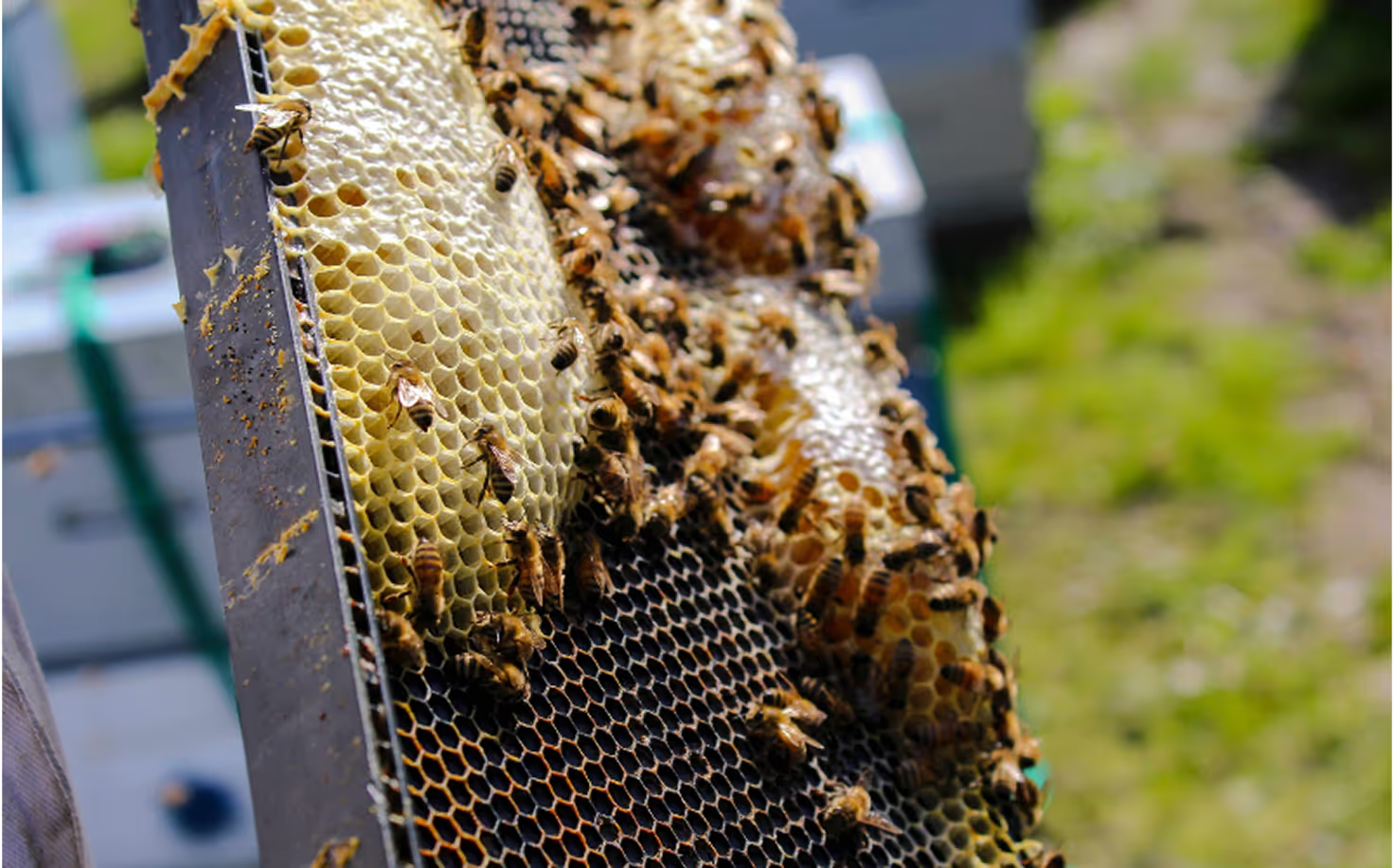
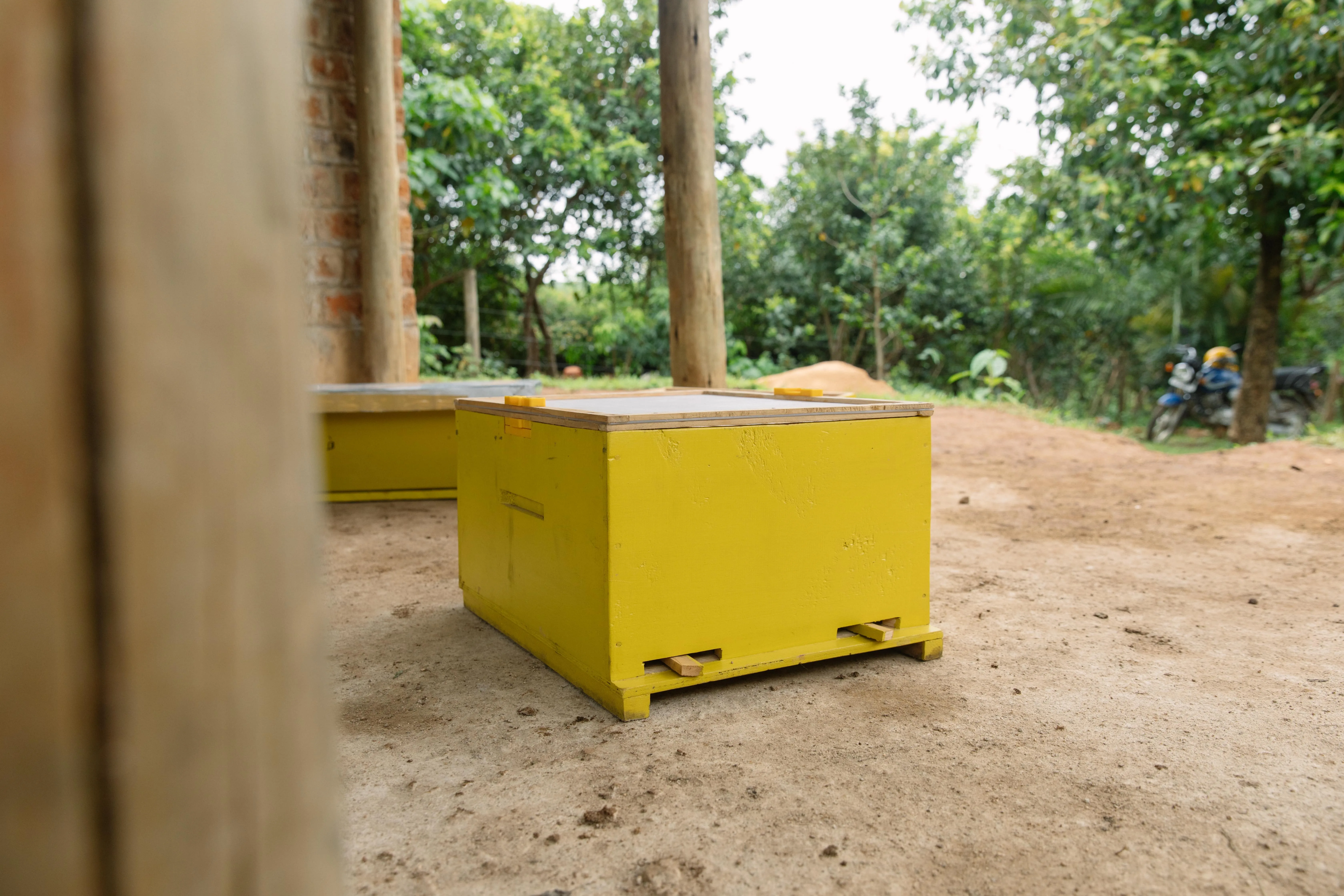
EarthLungs is constructing and deploying more than 300 beehives, each housing over 60,000 bees, to enhance pollination and support biodiversity. By empowering local communities to manage these hives, the project fosters conservation and environmental stewardship.
It also promotes sustainable livelihoods by enabling communities to generate income through honey, beeswax, and other bee products, reducing reliance on harmful practices like logging, which can degrade the environment. For example, by offering a source of revenue through beekeeping, communities are less reliant on cutting down trees for timber or using the land for slash-and-burn agriculture.
Environmental and Economic Benefits of Bee Hive Conservation for Pollinators in Kenya
Bees play an essential role in pollination, which drives the regeneration of native plant species and contributes to healthier, more resilient forests. By enhancing biodiversity, beekeeping also strengthens community stewardship, as it encourages locals to actively engage with and care for their environment.
Additionally, the presence of beehives helps protect forests by deterring poachers. The activity surrounding the hives creates a natural barrier, making the area less attractive to illegal activities. The bees also enhance pollination of native flora, leading to stronger, healthier ecosystems.
Process for Implementing and Maintaining Beehives
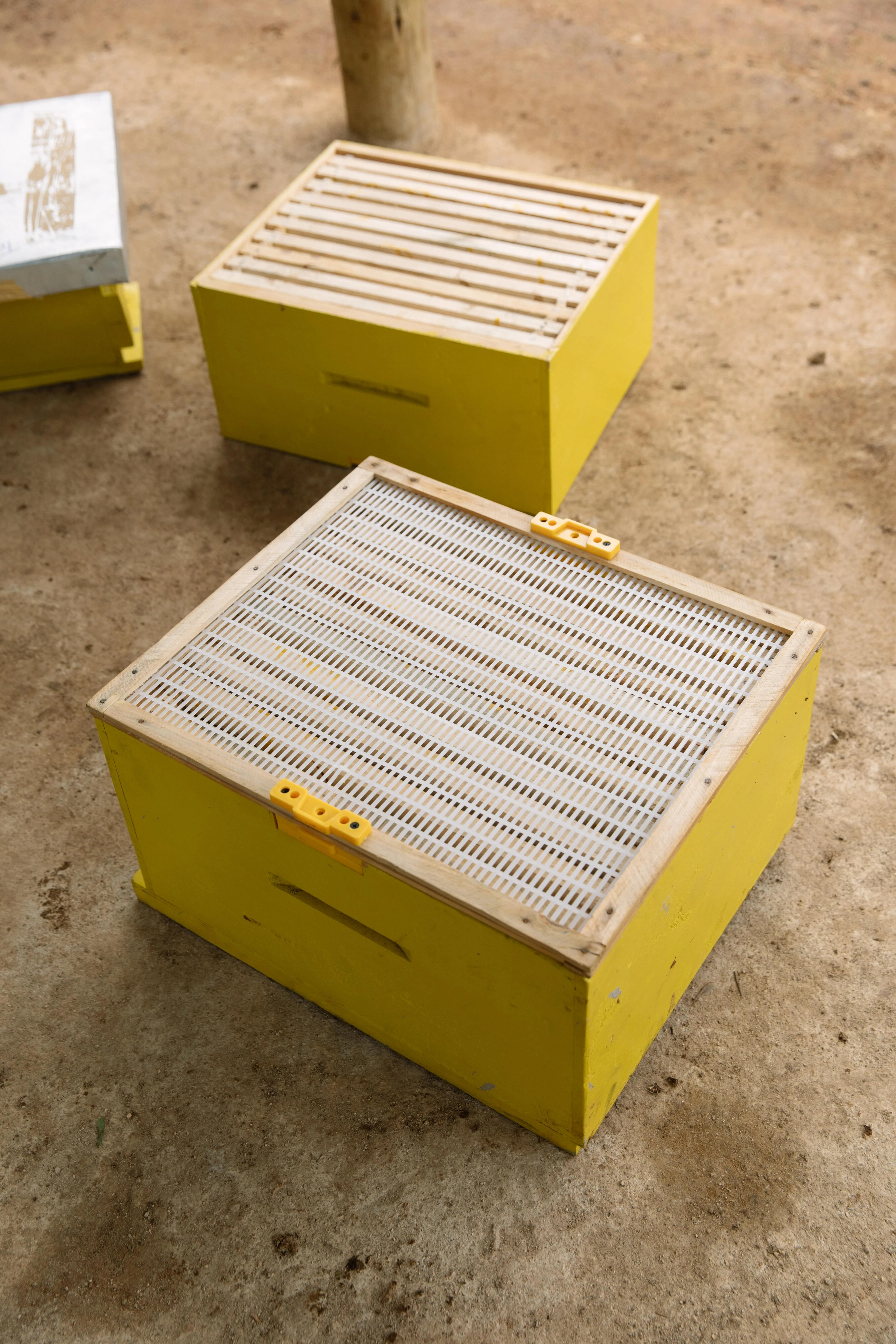
- Hive Construction: Custom-built beehives are crafted from scratch creating a distinctive and personalised space for the bees (hives can be customised with companies logos)
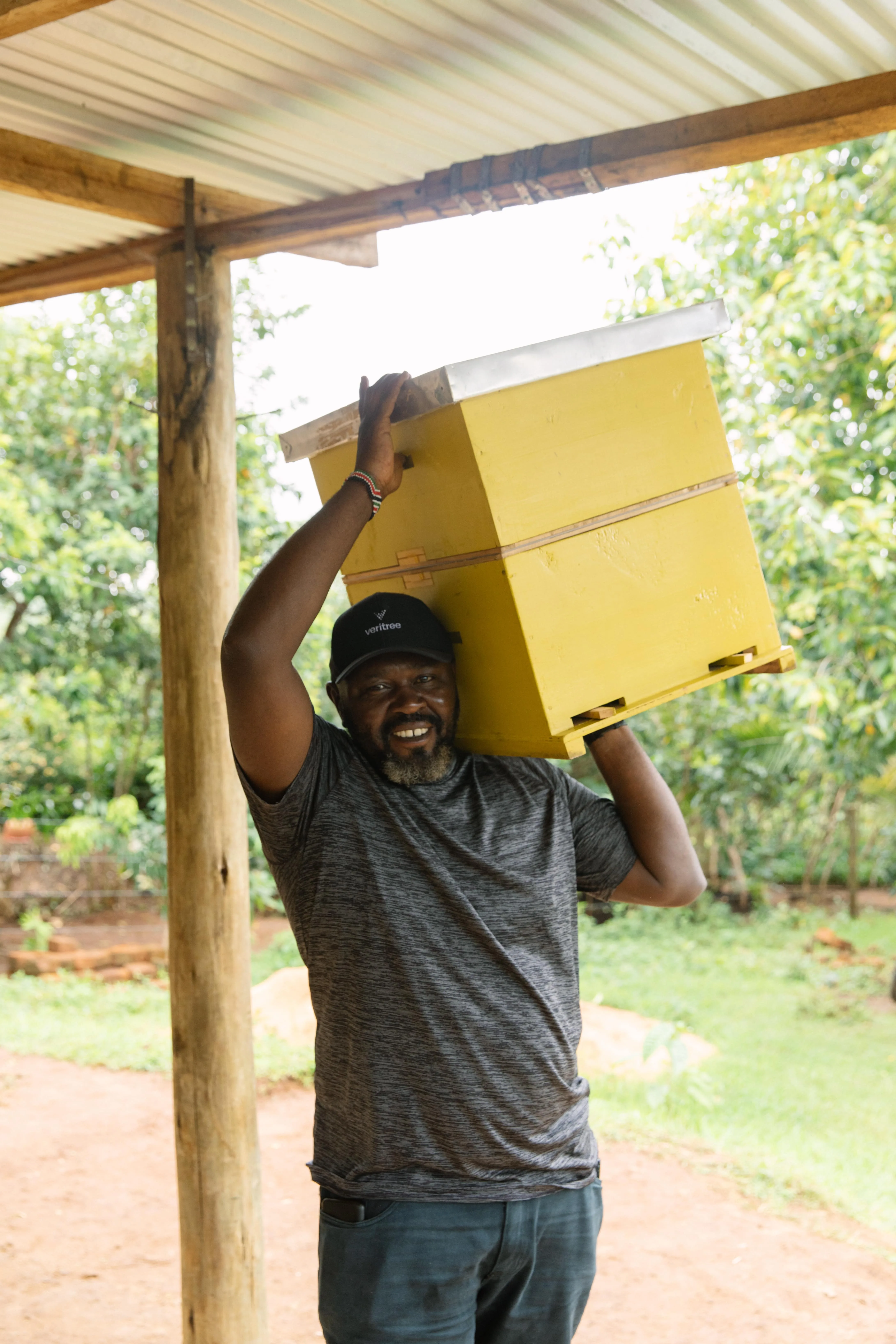
- Colonisation: The hives are transported to the site and carefully baited with a queen bee. The queen's presence attracts drones, nurse bees, and worker bees, which join to establish a thriving colony.
- Monitoring: Once the colony begins to form, its health and size are closely monitored. The number of bees in the swarm is counted to estimate the colony's growth and ensure its success.
- Final Placement: After the colony is fully established and stable, the hive is relocated to its permanent home in the forest, where the bees can continue their vital role in the ecosystem.
Products Obtained from Beehives and Their Uses
Bees provide a range of valuable products that contribute to the local economy and support sustainable livelihoods. Each hive produces approximately 20kg of honey per year, a key product that is widely used and highly valued. In addition, bees produce propolis, a resinous substance known for its anti-inflammatory and antimicrobial properties, which has a variety of medicinal and health-related uses.
They also provide Royal jelly, produced in small quantities of up to 1kg per hive annually, which is another prized product valued for its health benefits. Together, these products create sustainable income opportunities for local communities while promoting environmentally friendly practices.
Importance of Protecting Pollinators for Kenya’s Ecosystem and Economy
Bees are essential to the environment, agriculture, and biodiversity. By creating homes for millions of bees, EarthLungs supports vital pollination, provides economic opportunities for local communities, fosters conservation, and strengthens ecosystems.
Support Pollinator Protection by Funding a Bee Hive Today